01
Self‑awareness
Naming what you feel, and where in your body you feel it, before it takes the wheel.
Students learn the vocabulary of emotion, then use it out loud in class.

A Selwyn special, Kindergarten through middle school
Social and Emotional Learning is on the Selwyn timetable, not tucked into a homeroom announcement. It has a room, a curriculum and a teacher who is a licensed and Board Certified Behavior Analyst, and students are in it one to two times a week.
4th year running at Selwyn K through middle school 1 to 2 classes a week CASEL five-competency framework
The short answer
SEL is a class where children learn to identify and name what they feel, consider other people’s perspectives and experiences, and brainstorm their way to a solution. Skills are taught directly, practiced in activities, then coached in the ordinary moments of the day until they hold.
Why this is unusual
Plenty of schools will tell you they care about kindness and resilience. Very few give that work a slot on the timetable, a trained specialist and a curriculum that builds year over year. At Selwyn, SEL sits alongside art and music as a special, which is a decision about where the school spends its hours.

The curriculum
Selwyn follows the five core competency areas set out by CASEL, the Collaborative for Academic, Social, and Emotional Learning. A kindergartener and a seventh grader work on the same five, at very different depths.
Naming what you feel, and where in your body you feel it, before it takes the wheel.
Students learn the vocabulary of emotion, then use it out loud in class.
Pausing between the feeling and the reaction, then choosing the next move on purpose.
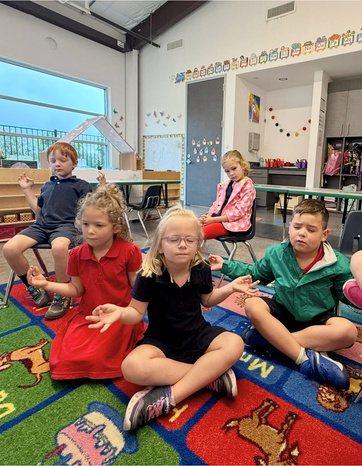
This is the self-regulation work: breath, balance, movement, mindfulness.
Reading the room, considering another person’s perspective and experience.
Practiced in partner and group challenges, not taught as a worksheet.
Listening, disagreeing well, repairing a friendship after it goes sideways.
Coached in the moment, on the playground as much as at the table.
Weighing causes and effects, then making a better plan for next time.
Mistakes are treated as information, which is the whole point.
Inside the room
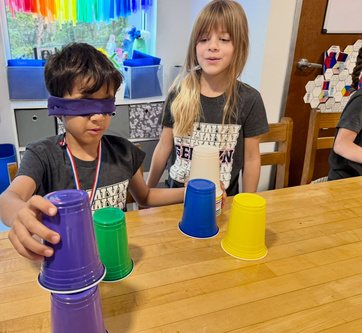
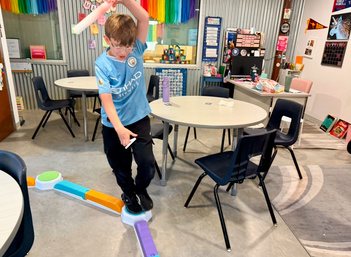
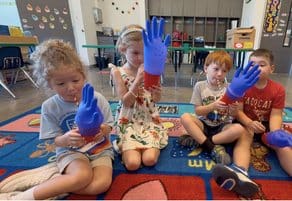
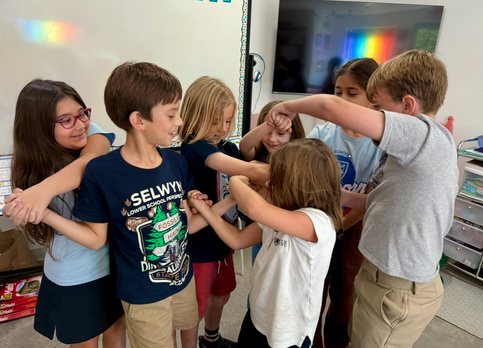
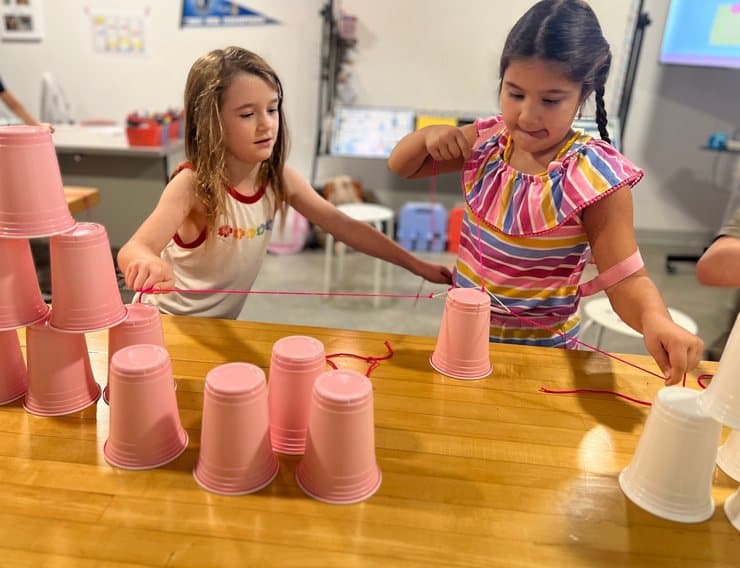
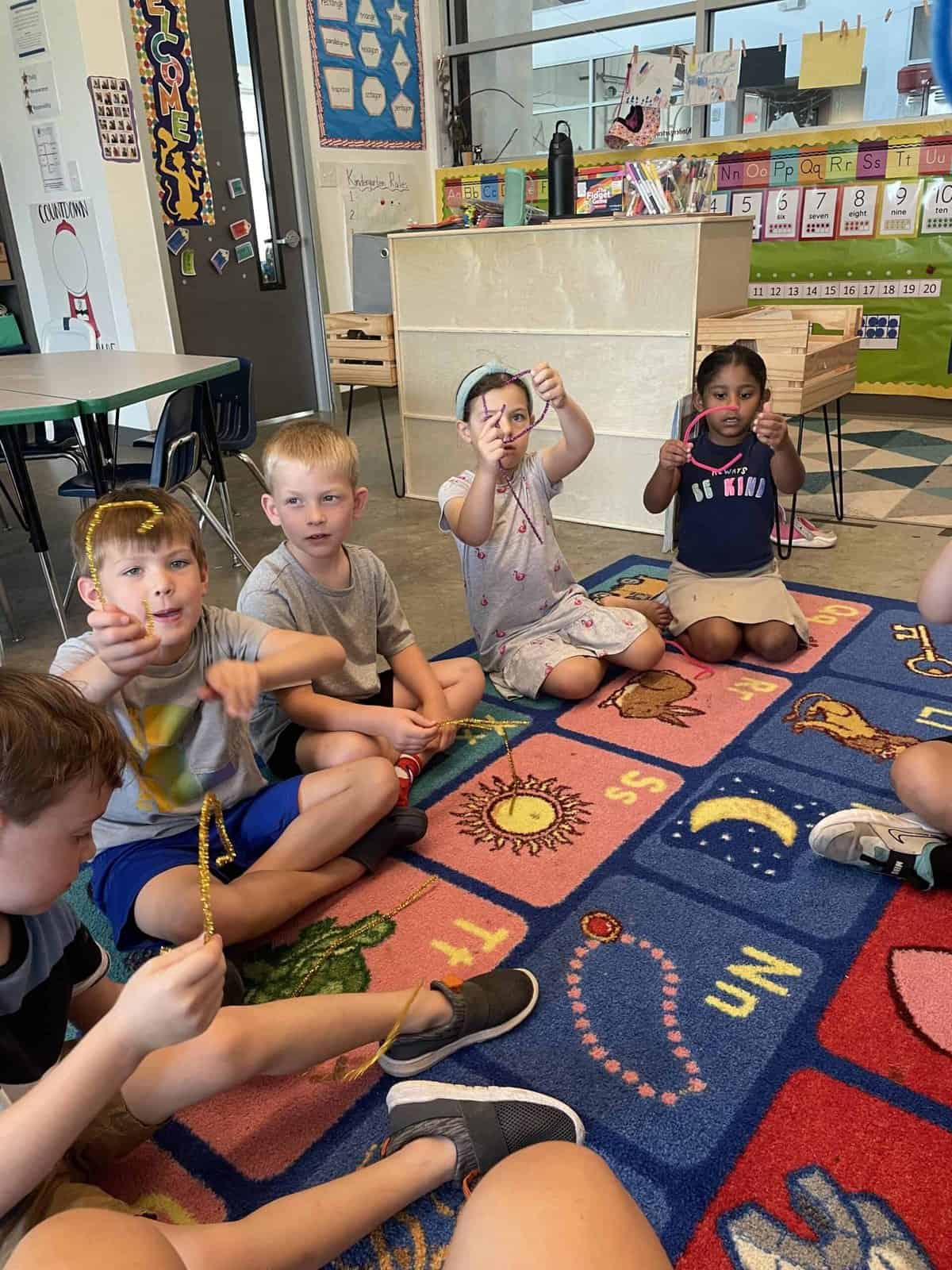
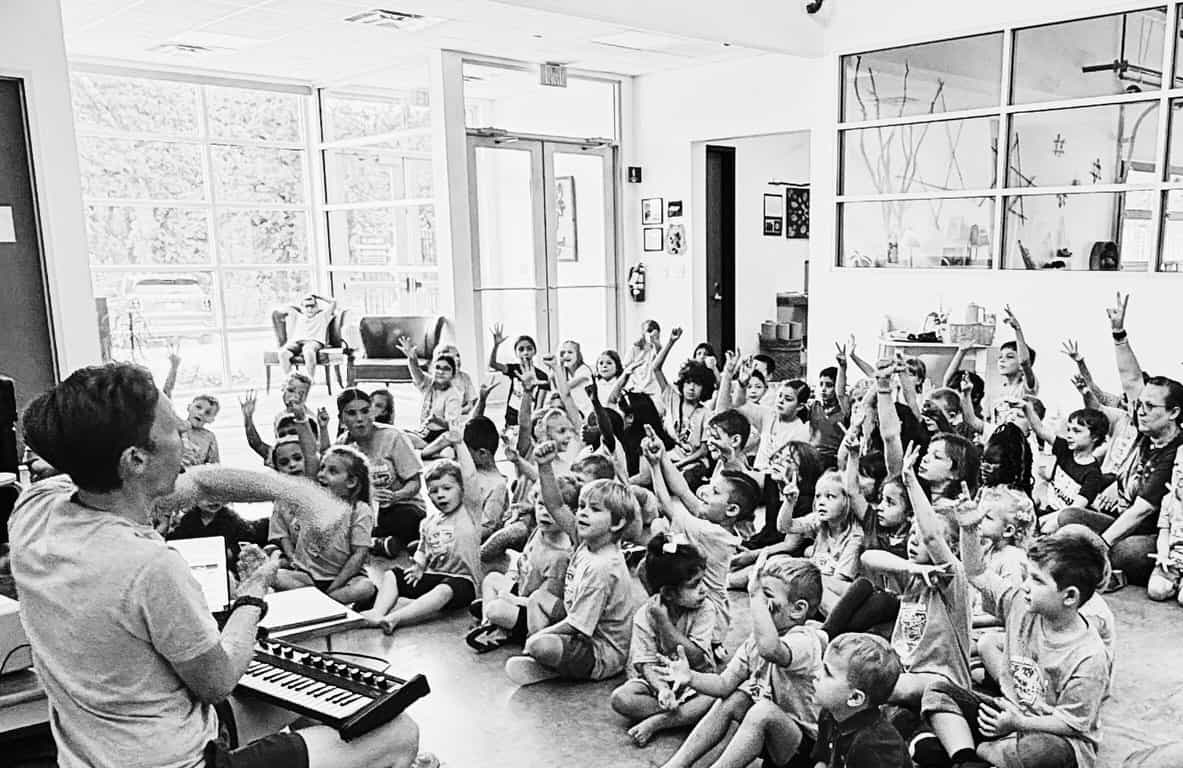
Direct instruction and discussion, then the skill practiced through an activity, reinforced across the day, coached in context, and modeled by the adults.
Self-regulation
Students start with the brain science of emotion: how different parts of the brain work together to help us recognize, process and manage a feeling. Then they learn to harness that by engaging the body as well as the mind. Amy calls this collection their emotional tools, and it grows all year.
The part parents ask about
The goal is not a quiet room. The goal is a child who has somewhere to put a big feeling and a plan for the next time it arrives.
A child at school can be over or under-stimulated. It might look like listless staring or not participating, or like constant movement: rocking in a chair, running in the hall, chewing a pencil. SEL teaches children to recognize what their body and brain need, then gives them tools to change their own energy or attention level.
Selwyn does not try to suppress an outburst. Students are directly taught other ways of getting the same need met, ways that work as well for them and better for everyone around them. That is what a healthy, balanced way of coping actually looks like.
Mistakes are framed as learning opportunities. The approach is non-judgmental and non-emotional, analytical and self-reflective: look at the causes and effects of what you did, and make a better plan. That is how self-awareness is built, and it is how real self-control and persistence follow.
Generalization
The test of this class is never what a child can say in the SEL room. It is what a child does at a lunch table, on a field, in a group project that has gone wrong. So Amy partners with the classroom teachers, who extend the same conversation and use the same words across the day, at all times, which is what carries a skill out of one room and into the rest of a childhood.
Parents tend to notice it at home first, usually in the sentence a child produces instead of a slammed door.
The year
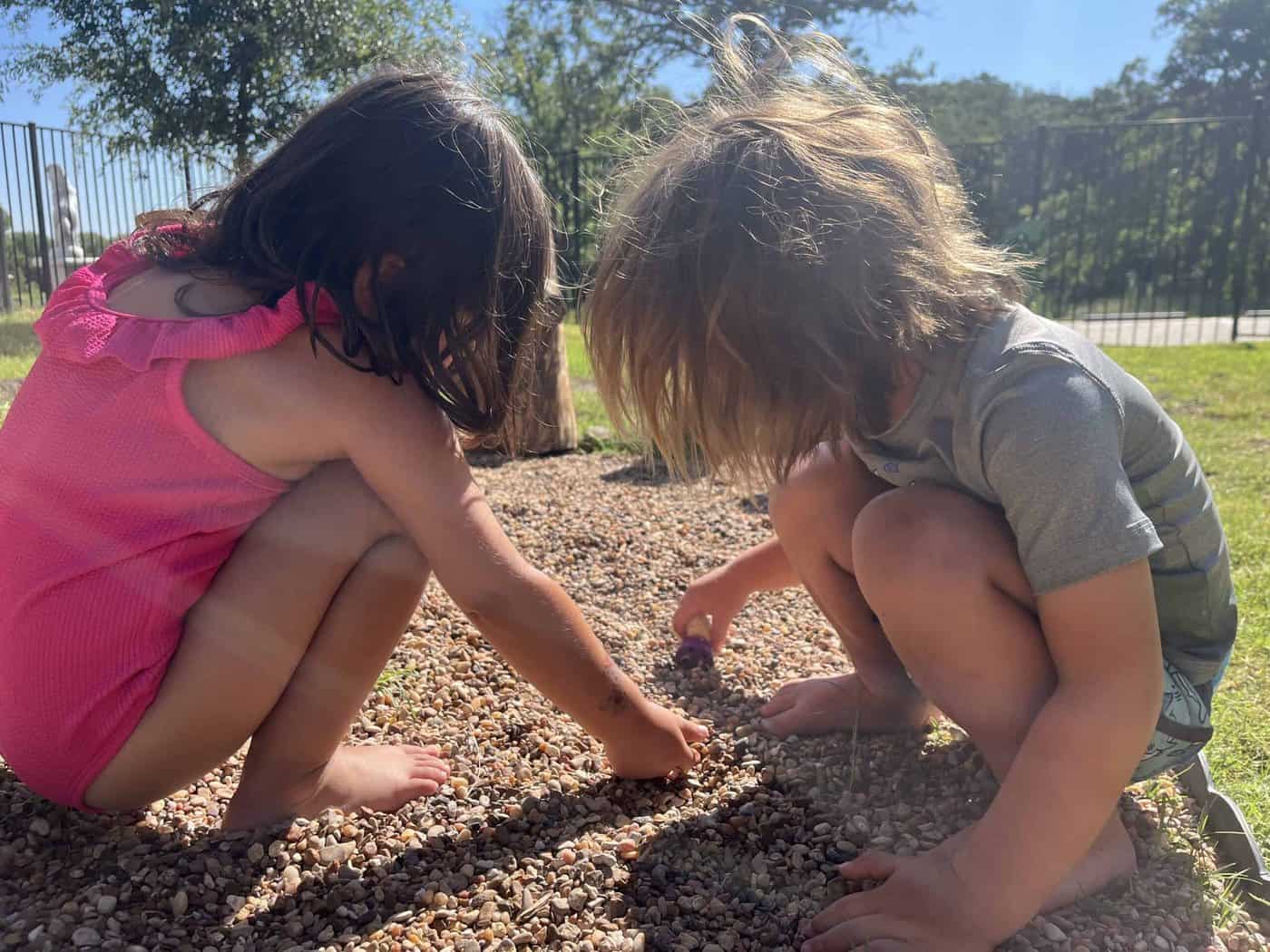
The year opens with each student’s role in the classroom and in the wider school, the foundation everything else is built on.
Students explore what it means to be a Selwyn Unicorn, then translate shared values into how they actually treat each other.
The brain science of emotion, then the emotional tools that let a child act on it: breath, balance, bilateral movement, visualization, mindfulness.
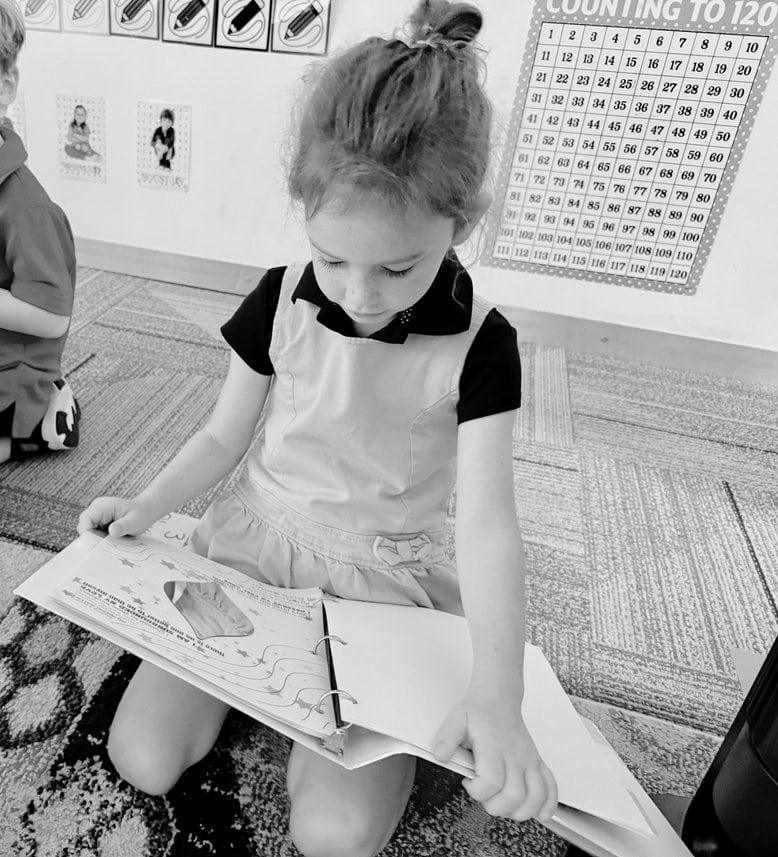
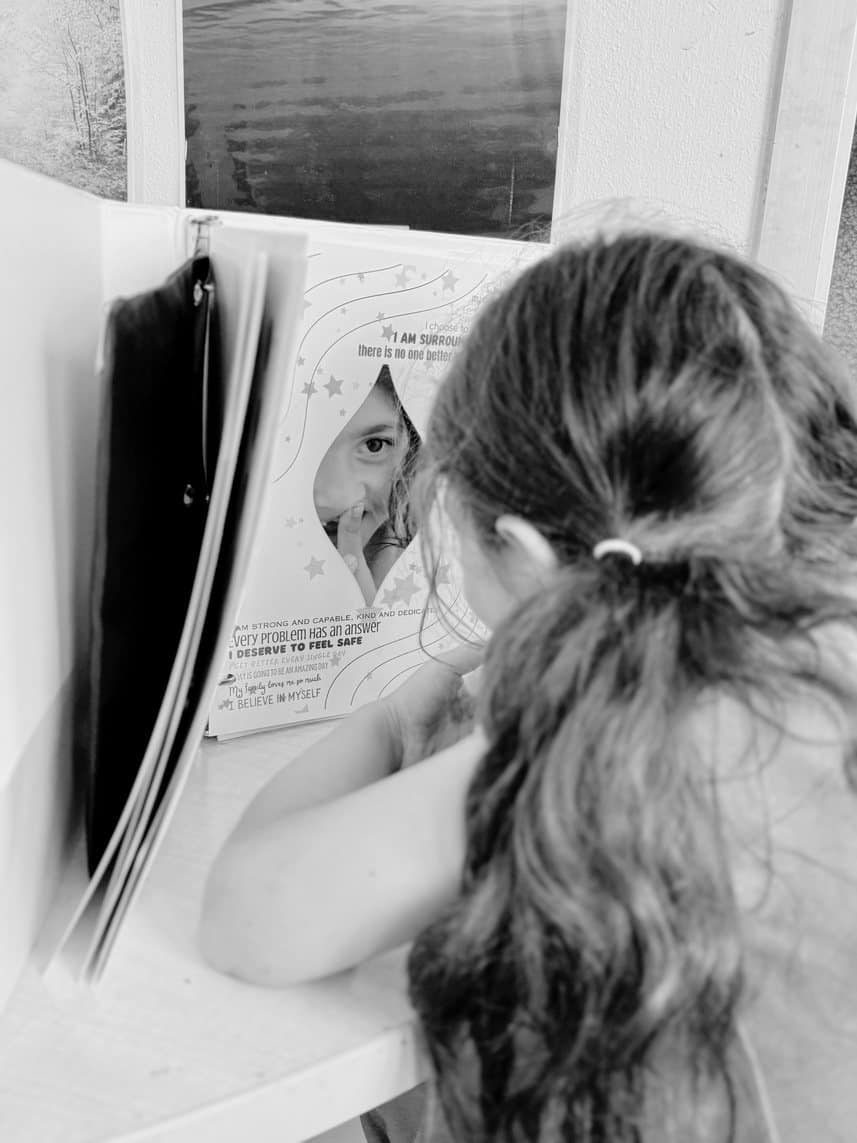
Affirmations and growth mindset, so a hard thing reads as a chance to learn rather than proof of a limit.
Evidence, not vibes
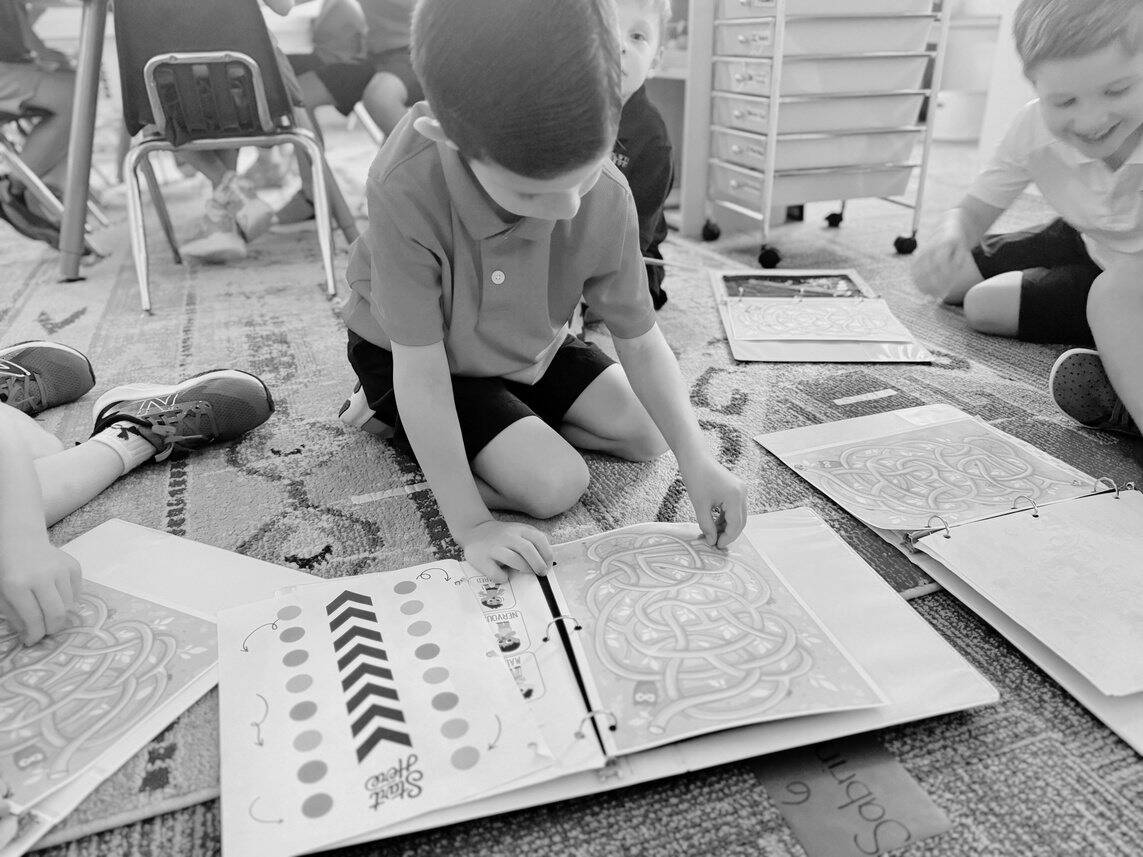
Each week students add to a binder that works as a living journal and a record of their year in SEL: the experiences, the reminders, the tools they have collected, their own reflections, and tangible evidence of how they have grown. It is the answer to the question every parent asks about a class like this, which is what is actually happening in there.
It also makes the growth legible to the child. A student who can turn back to September and see what used to be hard is a student who believes effort works.
Why it earns the timetable slot
Education that promotes SEL has a positive impact on a wide range of outcomes, including academic performance, healthy relationships and mental wellness.
Students in SEL programs gained the equivalent of eleven percentile points in grades within the first two years.
Emotional intelligence is more highly correlated with academic and future success than IQ is.
Students in SEL report a greater sense of safety and support, better relationships with teachers, and stronger feelings of belonging at school.
On average, eight in ten parents want social and emotional skills taught directly in school.
Figures as gathered by CASEL, the Collaborative for Academic, Social, and Emotional Learning, including its 2022 State Scan, which found 27 states with their own SEL competencies and 44 offering implementation guidance. casel.org
Directly teaching and prioritizing these skills is the surest way for us to accomplish our mission of cultivating global citizens who embrace complex challenges with empathetic and innovative thinking that advances the human condition.
Selwyn School, a Future Design School
Social and Emotional Learning · Selwyn School
Meet the teacher
“My passion is to foster a love of learning, to practice skills that serve our students across a lifetime, and to build a community where every child feels valued and inspired.”
Amy Pace, known to most students as Miss Amy
Amy came to teaching from twelve years of clinical work as a behavior analyst, which is why this class is built on measurable skills rather than good intentions. Her twins started at Selwyn in 2022 and she began teaching SEL here in 2023, so she is a Selwyn parent grading her own homework, in the best sense.
She works with students from kindergarten through middle school one to two times a week, and she partners with the classroom teachers, who extend the same conversation and use the same language across the day. That partnership is what carries a skill out of her room and into the classroom and the playground.
Questions
SEL is the process through which children and adults acquire and apply the knowledge, skills and attitudes to develop healthy identities, manage emotions, achieve personal and collective goals, feel and show empathy for others, establish and maintain supportive relationships, and make responsible and caring decisions. That definition comes from CASEL, the Collaborative for Academic, Social, and Emotional Learning, and it is the framework Selwyn’s class is built on.
It is a real class. SEL is one of Selwyn’s specials, timetabled like art or music, and students attend one to two times per week. That is unusual: most schools that talk about character do not give it a teacher, a room and a slot on the schedule.
Kindergarten through middle school, taught at each age’s developmental level. A kindergartener and a seventh grader are working on the same five competencies at very different depths.
Amy Pace, known to most students as Miss Amy. She holds a bachelor’s degree and a master of science degree, both in Behavior Analysis, from the University of North Texas, and she is a licensed and Board Certified Behavior Analyst. She has more than twelve years of experience as a clinician and this is her fourth year teaching SEL at Selwyn.
No. It is instruction. Skills are taught directly, practiced in activities, and then reinforced in the ordinary moments of the school day. There is no diagnosis and no treatment plan; there is a curriculum, and there is practice.
Direct instruction and discussion, then the skill practiced through an activity: a blindfolded partner challenge that only works if the directions are clear, a rod a group has to balance together, a balance path across the classroom floor. The concept is short. The doing is most of the class.
Miss Amy partners with the classroom teachers, who extend the conversation and reinforce the same language across the day. That is what carries a skill from the SEL room to the classroom and the playground, which is the only place it counts.
Mistakes are framed as learning opportunities. The approach to behavior is non‑judgmental and non‑emotional, analytical and self‑reflective: students look at the causes and effects of what they did and make a better plan for next time. Self reflection over simple correction is how self-awareness and genuine self-control get built.
Yes. Each week students add to an SEL binder, a living journal of their year: the experiences, the reminders, the tools, their own reflections and tangible evidence of how they have grown. Miss Amy also keeps office hours and answers email directly.
Because these are not soft skills, they are life skills, and they are the surest route to Selwyn’s own mission of cultivating global citizens who embrace complex challenges with empathetic and innovative thinking that advances the human condition. Research gathered by CASEL also finds that education promoting SEL has a positive impact on academic performance, healthy relationships and mental wellness.
Visiting
Selwyn sits on a wooded campus on Copper Canyon Road in Argyle, in Denton County, about thirty minutes from either DFW airport or downtown Denton. Families drive in from across the area, and the SEL class is one of the things they come to see.
If you are comparing private schools in the Denton and Flower Mound area and social emotional learning is on your list of questions, this is the honest version of what that phrase means here: a class, a specialist, a binder full of evidence.
A tour will show you the campus. Ten minutes in this room will show you the school. Ask admissions to put it on your visit.
